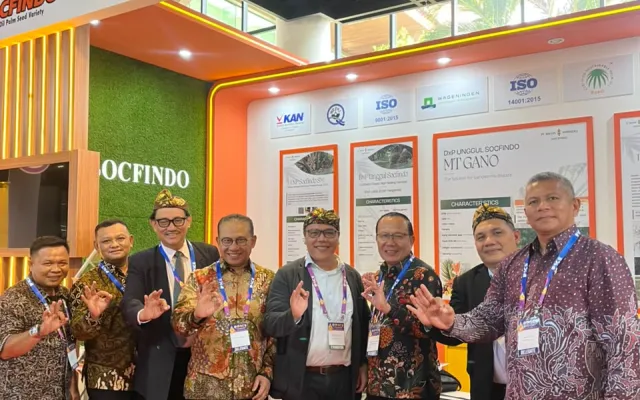
MEDAN – SCOPEX 2026 tactically held a series of scientific conference sessions to formulate a blueprint for the palm oil industry's transformation through three main themes: biological protection, total digitalization from plantations to mills, and strengthening the positive global impact of oil palm.
The first session of the SCOPEX 2026 conference began by addressing the greatest challenge in upstream palm oil productivity, namely the mitigation of basal stem rot disease. This year's conference paid special attention to the latent threat of the Ganoderma boninense fungus through a session titled "Ganoderma Smart Control: Challenges and Control Strategies." This session underscored that Ganoderma attacks are no longer just an ordinary agronomic issue, but a serious economic threat that can massively reduce plant populations if not handled with measurable strategies.
In facing the latent threat of the Ganoderma boninense fungus, experts formulated a future research direction that shifts from curative methods toward measurable early detection systems. In line with green commitments, the concept of "Biocontrol, Big Impact" was also introduced through the utilization of beneficial microbes, Actinomycetes, dubbed "The Nature Protector." This biological agent is proven effective in providing natural protection to plant roots while ensuring that plantation operations can run in harmony with environmental sustainability.
The second session, themed "From Manual to Digital: Transforming Plantations with Mechanization and Digitalization," outlined the urgency of accelerating upstream modernization. Based on actual trials successfully implemented by practitioners, modernizing work equipment has been proven to duplicate productivity while ensuring significantly more precise quality control than manual methods. The transformation of oil palm mechanization must be carefully planned from the outset, focusing on critical operational points that directly impact labor efficiency and strict quality control in the field. Developing estate access infrastructure from the initial planting stage (N0) is an absolute prerequisite for mechanical heavy equipment to operate optimally. The integration of digital technology is proven capable of cutting crop losses while transforming the traditional plantation landscape to be more productive and efficient.
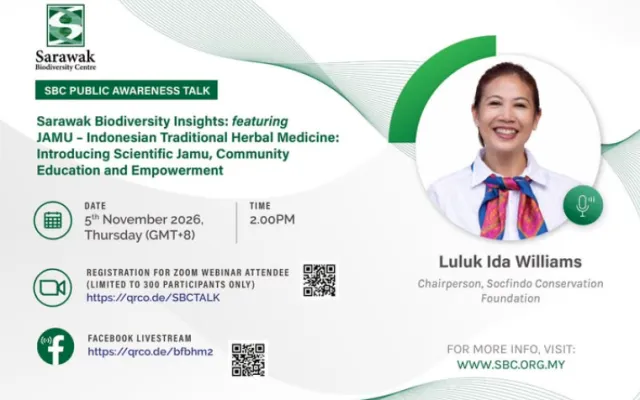
The SCOPEX 2026 conference series concluded with a reaffirmation of the commodity's position through the final session titled "Positive Impact of Oil Palm: From Sustainable Cultivation to Global Benefits." This session voiced objective facts based on scientific data that oil palm is the most land-efficient vegetable oil in the world. Demonstrating real corporate commitment to biodiversity preservation, SCOPEX 2026 showcased contributions of the Socfindo Conservation initiative as concrete proof that biodiversity and the oil palm sector can co-exist in perfect harmony. Currently, the eco-educational park boasts a collection of more than 1,500 traditional medicinal and herbal plant species (TOGA) sourced from 11 plantations in Aceh and North Sumatra. By implementing sustainable cultivation practices, the oil palm industries in Indonesia and Malaysia do not just fuel economic engines and secure the livelihoods of millions; they also serve as a corner stone in meeting the world's demand for food and green, renewable energy.
Adding a unique dimension to the programme, SCOPEX 2026 also welcomed renowned motivator Merry Riana in a special inspirational session focused on leadership, mindset development, and personal growth in facing future challenges. The second day concluded with continued networking and interaction among participants, exhibitors, and industry stakeholders, reinforcing the collaborative spirit of the event.