30–40 tonnes / Ha
High productivity
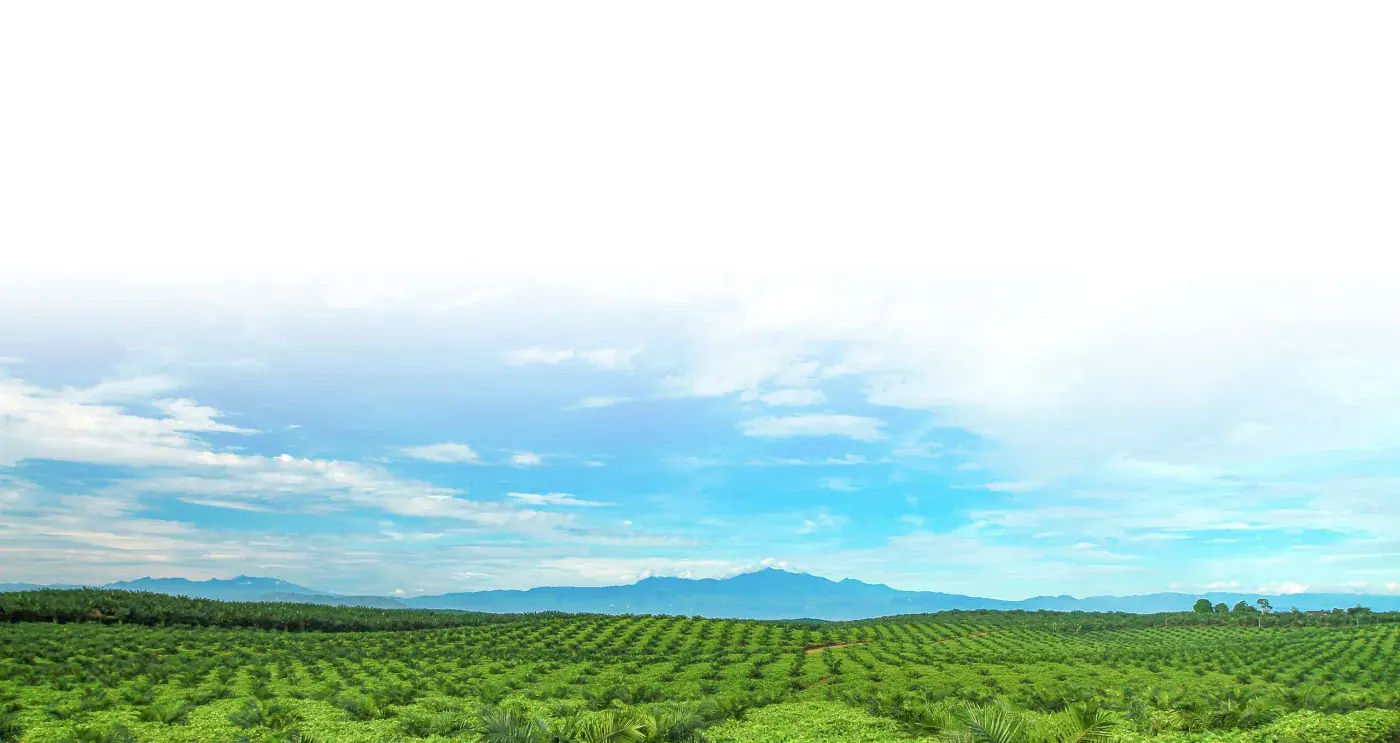
Selection cycles since 1970. Our varieties average 30 tonnes/Ha, and 40 tonnes/Ha is not uncommon in optimum conditions.

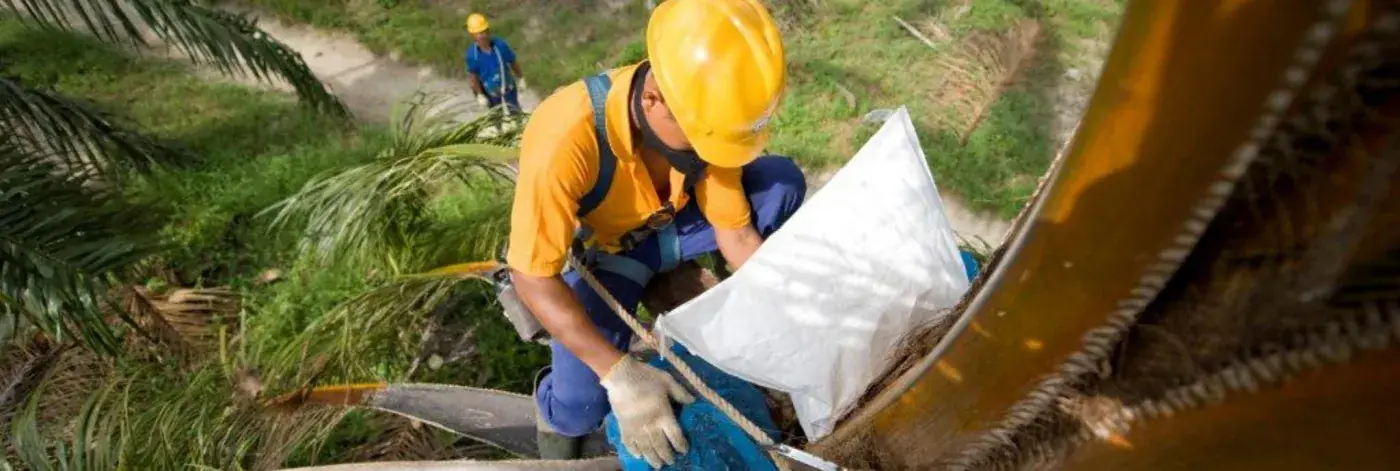
Sustained investment in agronomic research — the key to Socfindo's long-term competitiveness.
SSPL leads the Company's Research and Development and is the driving force behind superior product and quality and the sustainability of its oil palm business. SSPL also coordinates joint research with third-party institutions such as CIRAD and its affiliate PalmElit.
Research partners
Research programme in plant breeding and genetics.
Experimental testing and analysis crucial to assess the efficacy of experiments, trials and interventions.
Soil fertility maintenance for long-term productivity.
Crop pest and disease control measures.
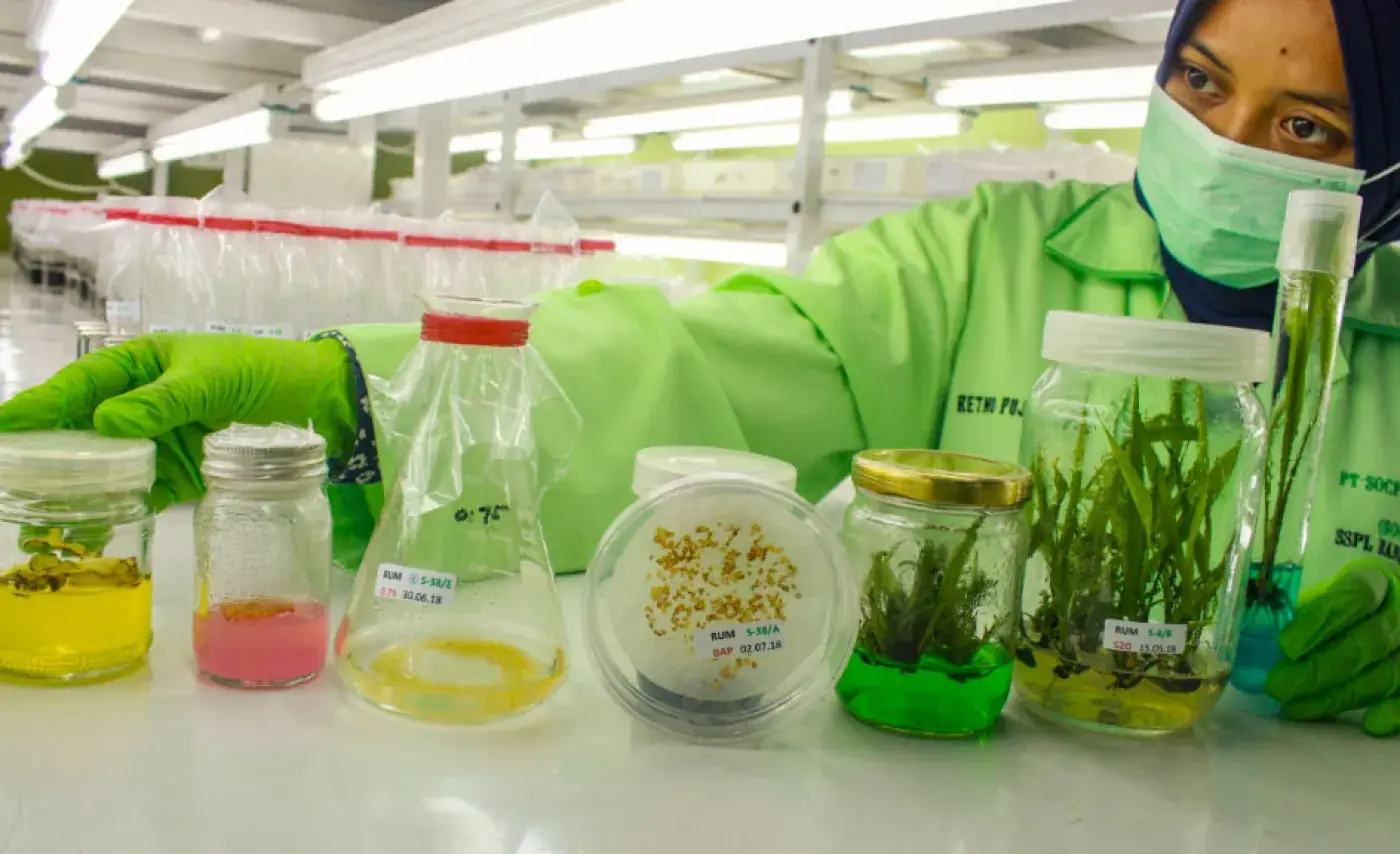
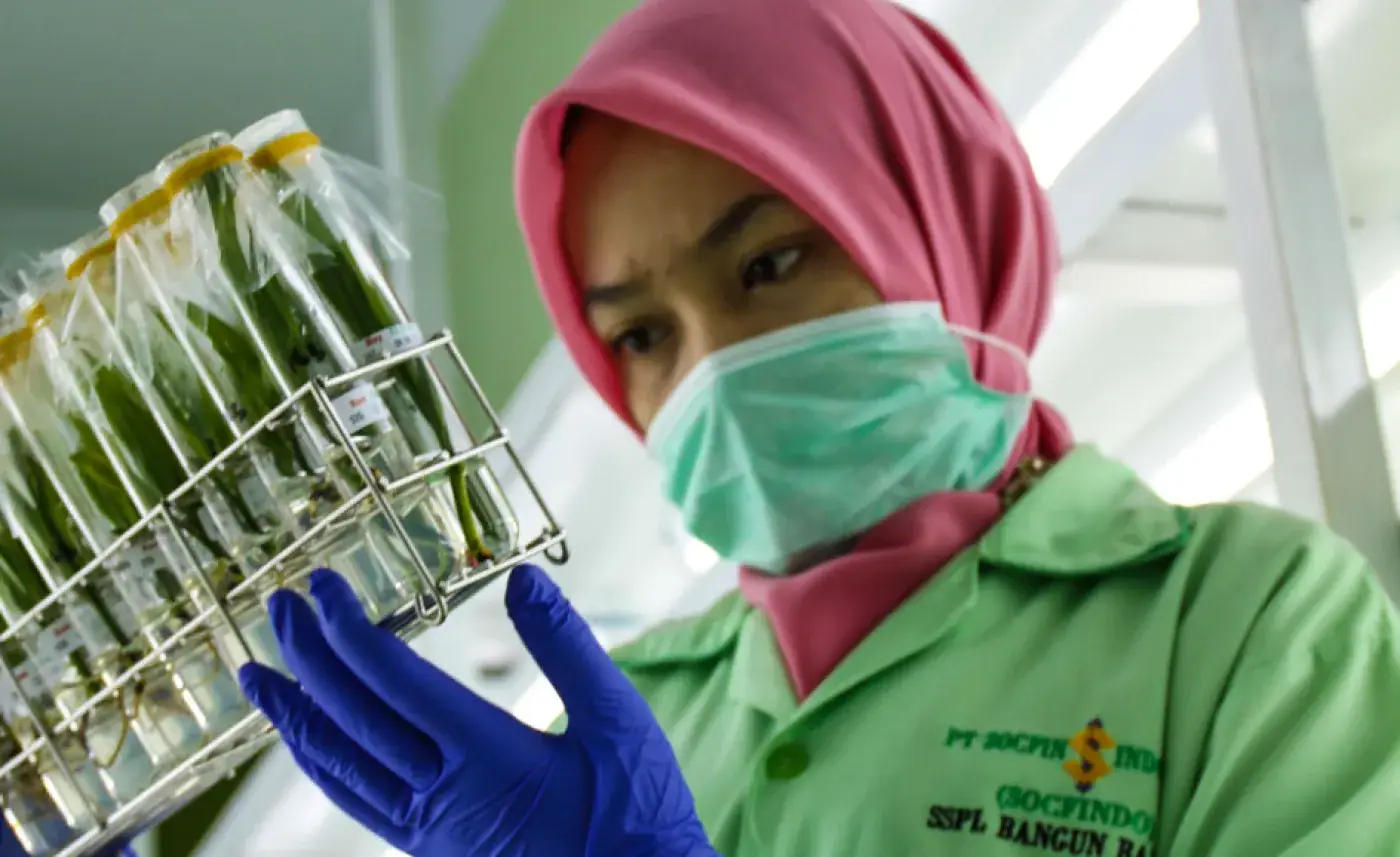
Since 2015, our tissue culture laboratory has developed clones in-vitro for oil palm (Elaeis guineensis) and rubber (Hevea brasiliensis).
For oil palm, Socfindo clones “elite” palms in collaboration with CIRAD (France) to safeguard parental material, including Ganoderma-resistant lines, and efficiently reproduce the best genetic source.
For rubber, with the University of Ghent, Socfindo aims to remove the need for grafting and increase latex potential — believed to be a first in Indonesia to successfully clone some rubber varieties.
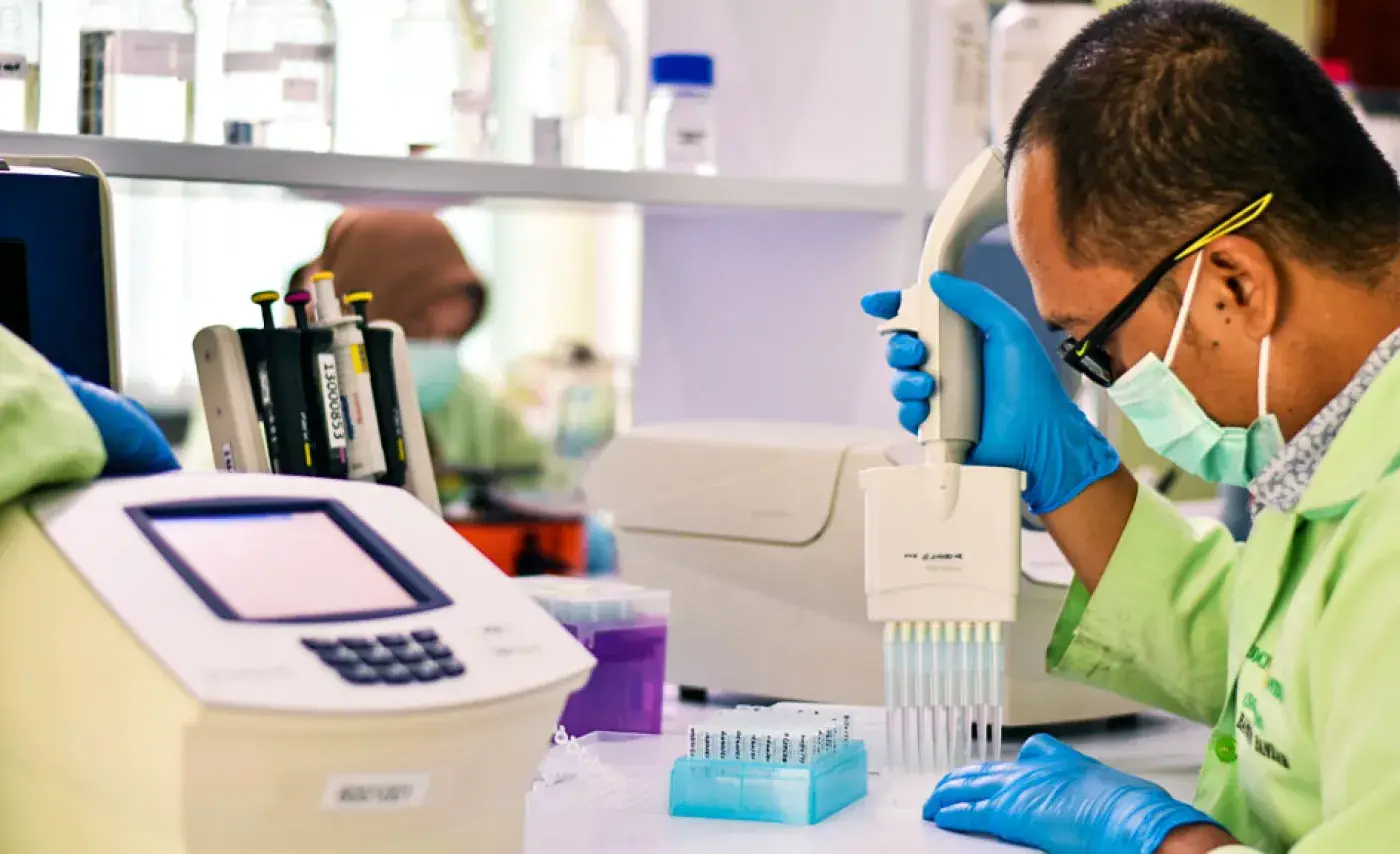
Established in 2013 to help breeders develop superior varieties and run identity checks (ID check) of parents and progeny.
This bio-molecular lab has validated more than 25,000 oil palm parent trees (Dura, Tenera, Pisifera) using capillary electrophoresis.
It also spearheads molecular selection (MAS) for Ganoderma resistance, shell gene and low-lipase traits.
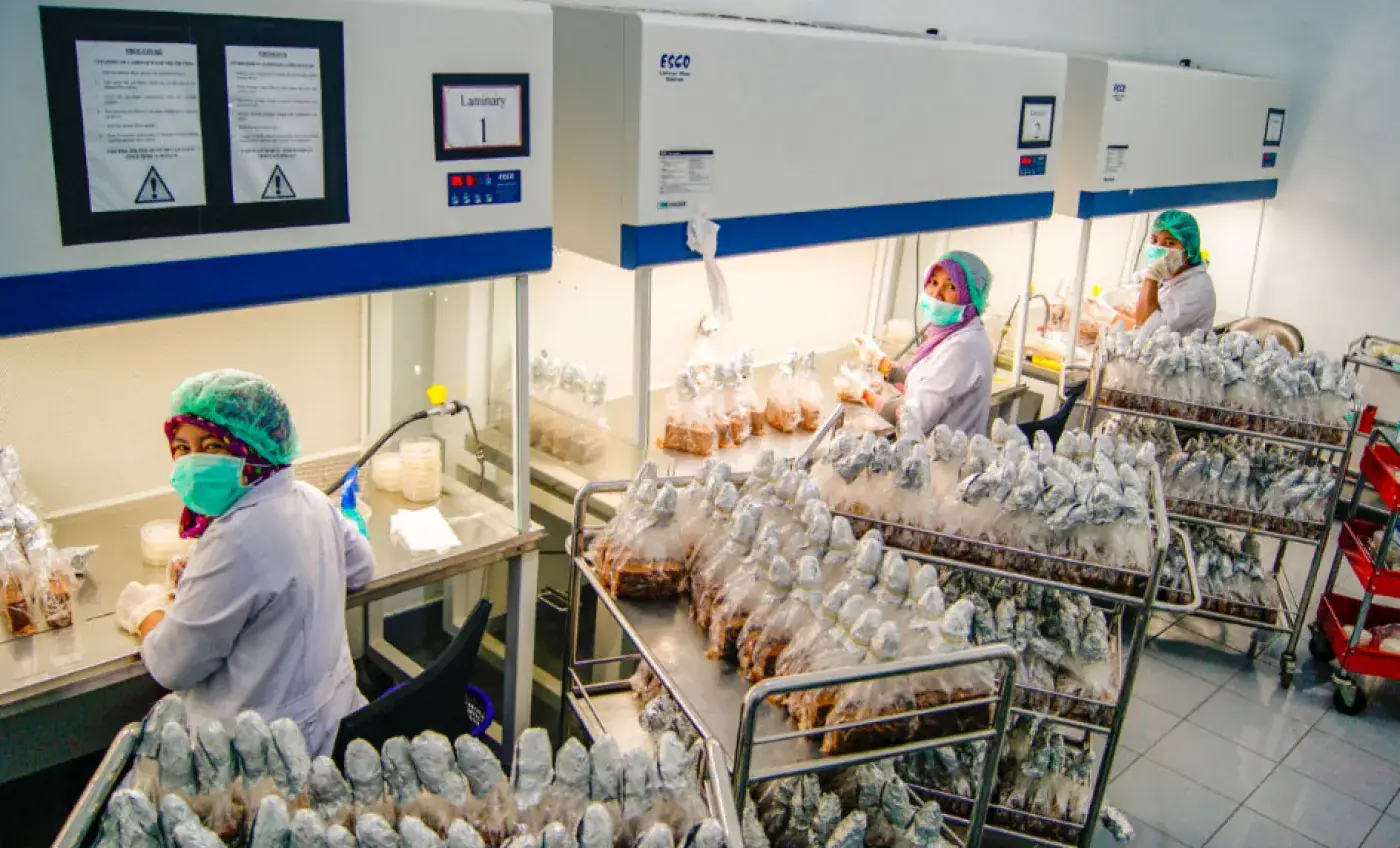
In 2000, with CIRAD, Socfindo started a long-term breeding programme to control Ganoderma disease.
Using standard methods, the lab screens palm genetic material for Ganoderma tolerance — over 1,200 crosses each year — and collects and tests Ganoderma strains from across Indonesia.
The lab was instrumental in releasing our DxP MT Gano variety in 2013.
30–40 tonnes / Ha
Selection cycles since 1970. Our varieties average 30 tonnes/Ha, and 40 tonnes/Ha is not uncommon in optimum conditions.

40–50 cm / year
Versus 70–90 cm/year for other seeds; harvesting lifetime over 25 years (vs 15–18 years).

13 jt+ DxP MT Gano seeds sold
First to produce commercial Ganoderma-tolerant oil palm seeds; seeds with high Fusarium tolerance are available for African conditions.

Many bunches per year
High bunch numbers per year and better adapted to marginal areas and water deficit.
Keep exploring
We use cookies to improve your experience and analyse site traffic. By continuing you agree to their use in accordance with our Data Protection Policy.